

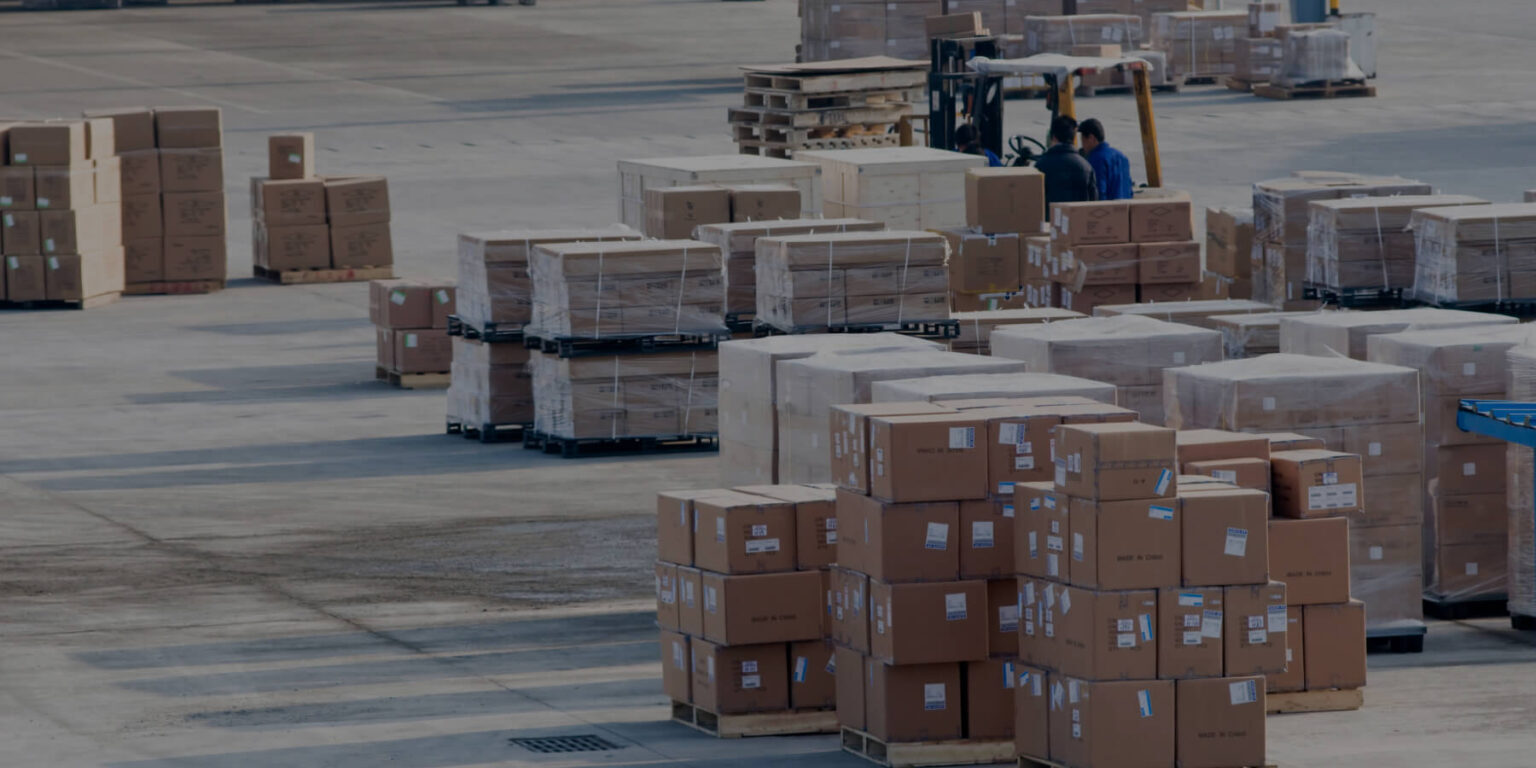
Stock Checker Skills and Knowledge in Logistics and Transport
In the fast-paced world of logistics and transport, stock checkers play an essential role in keeping supply chains running smoothly. They are the silent force behind accurate inventory records, efficient warehouse operations, and timely deliveries. Whether it’s managing containers in a seaport warehouse or tracking goods in a distribution center, a skilled stock checker ensures that what’s on paper matches what’s on the shelves.
This article explores the essential skills, knowledge areas, and best practices that every stock checker should master—especially within the logistics and transport sectors.
Understanding the Role of a Stock Checker
A stock checker (also known as inventory clerk, warehouse checker, or inventory controller) is responsible for:
-
Monitoring, counting, and recording incoming and outgoing goods.
-
Verifying shipments against delivery notes, invoices, or manifests.
-
Ensuring accurate data entry in warehouse or transport management systems.
-
Reporting discrepancies and coordinating with supervisors to resolve inventory issues.
Their work directly affects warehouse productivity, customer satisfaction, and overall supply chain efficiency.
Core Skills Every Stock Checker Should Have
1. Attention to Detail
Accuracy is the backbone of inventory control. Even a small counting error can lead to shipment delays, customer complaints, or financial losses. Stock checkers must have a sharp eye for details—checking labels, quantities, product codes, and conditions meticulously.
2. Numerical and Analytical Ability
A stock checker deals with quantities, measurements, and calculations daily. Comfort with numbers, weights, and volume conversions helps prevent costly mistakes. Analytical thinking also supports problem-solving when records don’t match actual stock.
3. Technical Proficiency
Modern logistics operations rely on digital systems. Proficiency in:
-
Warehouse Management Systems (WMS)
-
Barcode scanners and RFID devices
-
Inventory and ERP software (e.g., SAP, Oracle, Zoho, Odoo)
is essential for efficient data entry, stock tracking, and reporting.
4. Physical Fitness and Stamina
Stock checkers often spend long hours standing, walking, or lifting goods. Physical endurance, safe lifting techniques, and awareness of workplace ergonomics are vital for long-term performance.
5. Communication and Teamwork
Coordinating with warehouse supervisors, forklift operators, and transport teams requires clear communication. A good stock checker ensures information flows smoothly between departments to prevent delays or miscommunication.
6. Problem-Solving Skills
When discrepancies arise, quick and logical investigation is needed—checking documents, shipment histories, or system entries to identify the root cause and propose corrective action.
7. Time Management and Prioritization
Logistics schedules are tight. Stock checkers must prioritize tasks based on delivery deadlines, truck arrivals, or shipment schedules to keep operations running without interruption.
Essential Knowledge Areas for Stock Checkers
1. Inventory Management Principles
Understanding stock rotation (FIFO, LIFO), safety stock, reorder points, and inventory valuation helps checkers align with warehouse policies and minimize overstock or shortages.
2. Logistics and Supply Chain Processes
A strong grasp of the logistics flow—receiving, storage, picking, packing, dispatching, and transport—allows stock checkers to anticipate and support each stage efficiently.
3. Warehouse Layout and Material Flow
Knowledge of warehouse zoning (receiving, storage, picking areas), labeling systems, and bin locations helps optimize time and reduce confusion during stock counts.
4. Health, Safety, and Environmental Standards
Safety is critical in transport and warehousing. Stock checkers should know proper handling of hazardous materials, lifting limits, PPE usage, and emergency protocols.
5. Documentation and Record-Keeping
Familiarity with delivery notes, bills of lading, packing lists, and inventory reports ensures compliance and accountability throughout logistics operations.
6. Transport Coordination
Stock checkers often assist in verifying loads before dispatch. Understanding transport documentation, vehicle loading limits, and container specifications adds efficiency to the overall operation.
Tools and Technology Used
-
Handheld Scanners & RFID Readers: For quick and accurate inventory verification.
-
Digital Weighing Systems: Ensures weight accuracy for transport compliance.
-
Mobile Inventory Apps: For real-time stock updates and paperless operations.
-
Warehouse Management Systems (WMS): Central software for tracking stock movement.
-
Excel/Google Sheets: Still widely used for manual data entry and audits.
Best Practices for Stock Checkers
-
Perform Regular Cycle Counts: Don’t wait for annual audits; frequent smaller counts maintain accuracy.
-
Report Discrepancies Immediately: Small issues caught early prevent major supply disruptions.
-
Label Clearly: Use standardized labeling and barcode systems to avoid mix-ups.
-
Keep Work Areas Organized: A clean, well-arranged workspace reduces errors and speeds up checks.
-
Follow FIFO/FEFO Principles: Ensures older or soon-to-expire items move first.
-
Stay Updated on New Systems: Technology evolves fast—continuous learning is key.
Future Outlook: Stock Checking in the Age of Automation
Automation and digitalization are transforming logistics. Smart warehouses now use drones, IoT sensors, and AI-based inventory systems to improve accuracy and reduce manual labor. However, human checkers remain crucial—especially for verifying exceptions, handling delicate goods, and maintaining operational oversight.
In Saudi Arabia and across the GCC, as logistics hubs expand under national vision initiatives, demand for skilled stock checkers with digital and analytical competence continues to rise.
Conclusion
A stock checker’s role may seem behind the scenes, but it is one of the most critical functions in logistics and transport. Precision, discipline, and accountability define success in this position.
By mastering both traditional warehouse practices and modern digital tools, stock checkers ensure that the right product reaches the right place at the right time—keeping the supply chain accurate, efficient, and reliable.
