

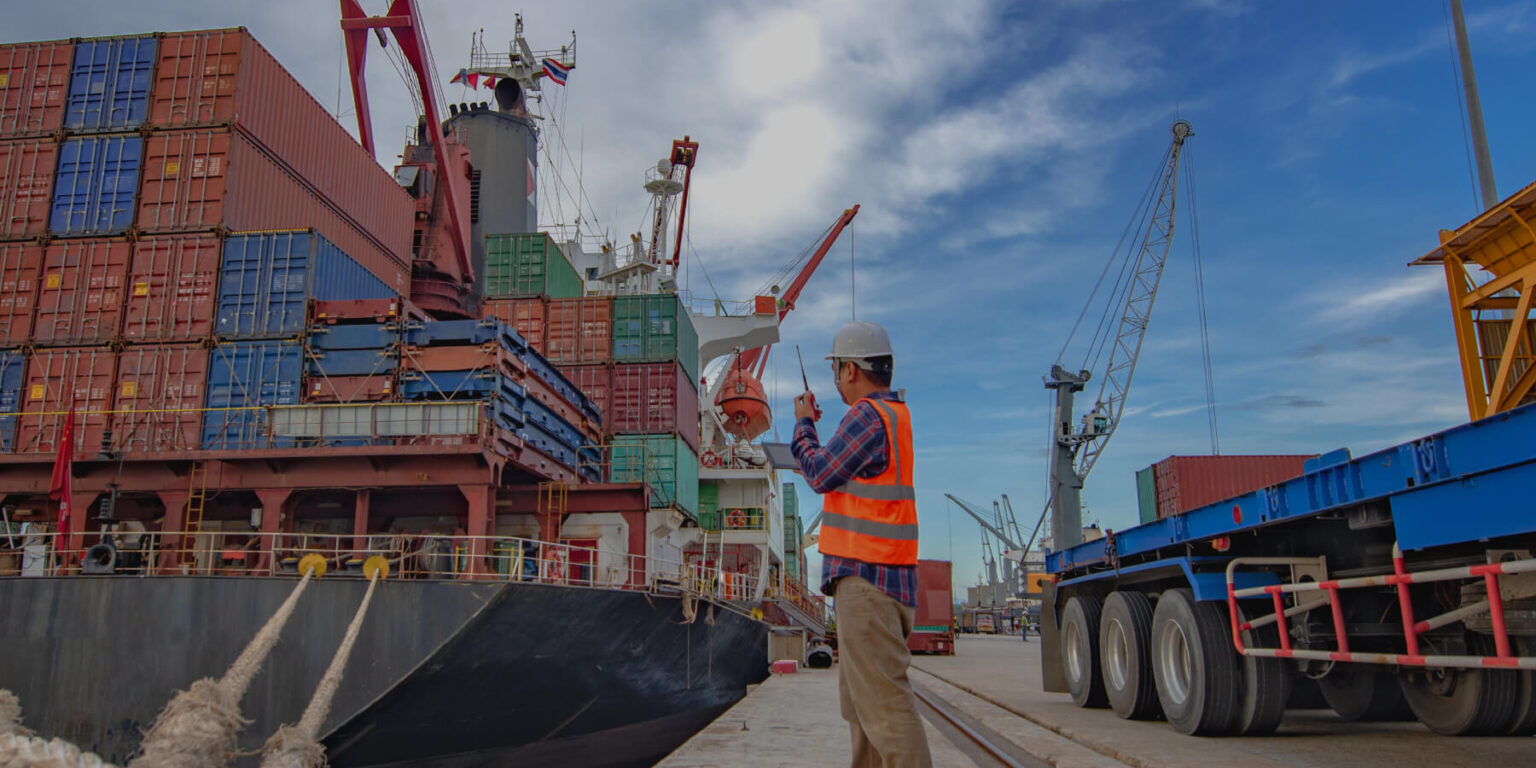
Container Handling with Onboard Cranes in Saudi Arabia
Container handling forms the foundation of global trade, and in the Kingdom of Saudi Arabia (KSA), where port infrastructure is rapidly expanding, efficient and safe onboard crane operations are essential. As the nation positions itself as a logistics powerhouse under Vision 2030, understanding best practices in container handling—especially using ship-mounted cranes—is key for operators, crew, and port managers alike.
Importance of Onboard Cranes in KSA
While Saudi Arabia’s major ports such as Jeddah Islamic Port, King Abdullah Port, and King Abdulaziz Port are equipped with advanced shore-based gantry cranes, many vessels still rely on their own onboard cranes for loading and unloading containers. This is especially true for:
-
Feeder and coastal vessels serving smaller terminals.
-
Remote berths and offshore projects without shore-based equipment.
-
Mixed cargo operations involving both containerized and general cargo.
Onboard cranes provide independence, flexibility, and operational continuity—ensuring vessels can handle cargo efficiently even when terminal facilities are limited or unavailable.
Common Types of Onboard Container Cranes
-
Deck-Mounted Pedestal Cranes – Widely used on geared vessels, offering good reach and control for loading/unloading containers on both sides of the vessel.
-
Knuckle Boom Cranes – Compact, flexible, and efficient for operations in restricted spaces or on smaller feeder ships.
-
Telescopic Boom Cranes – Provide extended outreach and adjustable lifting height, ideal for diverse cargo operations.
Each type has its own load capacity, range, and maintenance requirements, so selecting the right crane depends on vessel type, trade route, and cargo profile.
Pre-Operation Planning and Coordination
Before arrival at any Saudi port, pre-planning is crucial for smooth onboard crane operations:
-
Confirm Berth Details: Verify if the terminal provides shore cranes or expects the vessel to use its own.
-
Pre-Arrival Documentation: Submit manifests, cargo lists, and other pre-arrival data within the required window.
-
Cargo Plan Verification: Check the container stowage plan, weight distribution, and ensure all cargoes match declared manifests.
-
Crew Briefing: Conduct a toolbox talk covering lifting sequences, safety zones, and communication signals.
Safety and Operational Best Practices
Safety is the top priority during any crane operation—especially in the high-heat, high-dust environment of Saudi ports. Key points include:
-
Equipment Inspection:
-
Check hydraulic systems, wire ropes, hooks, and spreaders for wear or damage.
-
Confirm that all lifting gear has valid certification and is within inspection intervals.
-
-
Load Management:
-
Never exceed the crane’s Safe Working Load (SWL).
-
Verify actual container weights to avoid imbalance or structural stress.
-
-
Weather Considerations:
-
High winds, extreme heat, and sandstorms can impact crane stability and visibility.
-
Suspend operations if wind speeds exceed safe limits or visibility drops significantly.
-
-
Crew Communication:
-
Maintain constant radio or hand signal communication between crane operator, deck crew, and shore personnel.
-
Assign a dedicated signalman to coordinate every lift.
-
-
Emergency Preparedness:
-
Keep rescue equipment and first aid kits accessible.
-
Conduct emergency drills for crane malfunctions, load drops, or power failures.
-
Efficiency Tips for Faster Turnaround
-
Organize Containers by Weight and Destination: This minimizes unnecessary movements and reduces port stay.
-
Plan Sequential Lifting: Start with heavy or obstructive containers first to improve workflow.
-
Use Experienced Operators: Skilled crane operators and deck teams reduce cycle times and prevent costly delays.
-
Coordinate with Port Authorities: Efficient communication with port control and terminal supervisors helps optimize berth usage.
Maintenance and Technical Readiness
In the hot and saline coastal conditions of the Red Sea and Arabian Gulf, preventive maintenance becomes a critical factor.
-
Conduct daily visual inspections for leaks, cracks, and corrosion.
-
Follow scheduled lubrication routines for slewing gears, hoist drums, and bearings.
-
Keep electrical systems and load monitoring equipment regularly tested.
-
Record all maintenance and inspections in the ship’s logbook for port state or classification society checks.
Compliance with Local Port Regulations
Saudi ports operate under strict safety and operational regulations. Vessels must:
-
Comply with all Mawani (Saudi Ports Authority) directives and terminal-specific circulars.
-
Maintain updated load test certificates for cranes and lifting gear.
-
Follow environmental and waste management rules during cargo handling.
-
Ensure safe lashing and securing in accordance with international and local standards.
Challenges in Onboard Crane Operations
-
High Temperatures: Hydraulic fluids and electrical components may overheat—use heat-resistant lubricants and ensure adequate cooling.
-
Sand and Dust Exposure: Frequent cleaning and protective covers are essential to prevent contamination of hydraulic systems.
-
Operational Delays: Unexpected berth changes or document issues can disrupt handling schedules—always plan for contingencies.
Emerging Trends in Saudi Maritime Operations
-
Digitalization: Increasing use of electronic cargo documentation and pre-arrival data platforms.
-
Automation: Some terminals are shifting to automated systems, but onboard cranes still ensure flexibility for smaller ports.
-
Sustainability: More vessels are adopting energy-efficient cranes with lower fuel consumption and better environmental compliance.
Final Takeaway
Onboard cranes continue to play a vital role in Saudi Arabia’s maritime and logistics network, bridging the gap between advanced terminals and developing ports. For shipowners and operators, success depends on three key factors: safety, compliance, and efficiency.
By maintaining well-trained crews, adhering to Saudi port regulations, and keeping cranes in prime condition, vessels can ensure smooth, safe, and timely container handling across the Kingdom’s busy maritime hubs.