

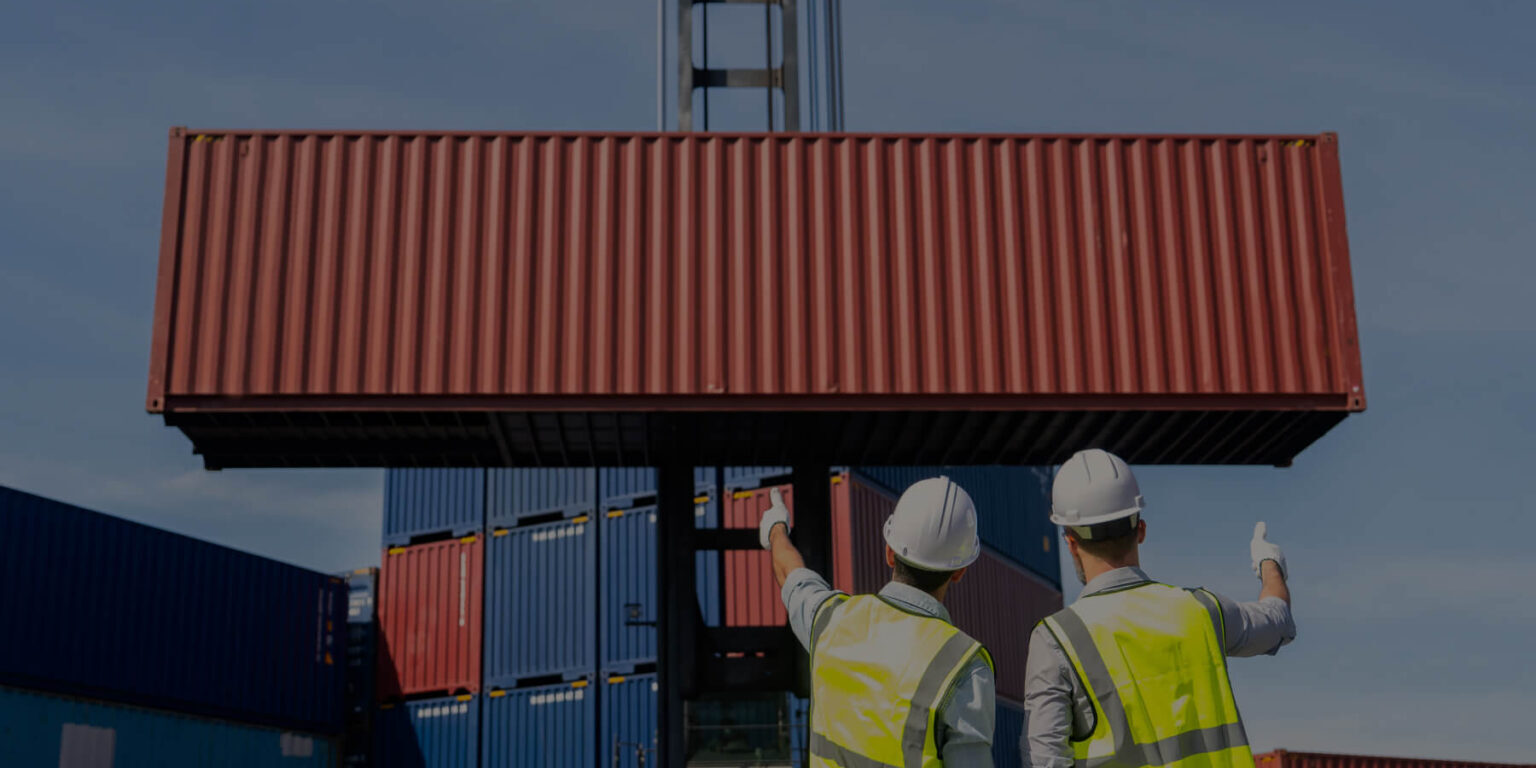
Saudi Arabia is rapidly becoming one of the world’s most dynamic logistics and transport hubs. Positioned strategically between Asia, Europe, and Africa, the Kingdom is leveraging its unique geography, world-class infrastructure, and ambitious Vision 2030 goals to build a modern, integrated logistics ecosystem.
From advanced ports and smart warehouses to digital freight corridors and multimodal transport systems, the logistics sector in KSA is undergoing a massive transformation—turning the nation into a gateway for global trade and investment.
The Strategic Role of Logistics in Saudi Arabia
The logistics and transport industry is not just about moving goods—it’s about powering economic diversification. Under the National Transport and Logistics Strategy (NTLS), Saudi Arabia aims to:
-
Transform into a global logistics hub connecting three continents.
-
Increase the sector’s contribution to GDP from 6% to 10%.
-
Boost non-oil exports and support manufacturing, e-commerce, and retail sectors.
-
Develop 60+ logistics zones and modern transport infrastructure across the country.
This vision aligns perfectly with Saudi Arabia’s broader ambition to become a leading center for international trade and supply chain management.
Key Components of the Logistics Ecosystem in KSA
1. Maritime and Port Services
Saudi Arabia operates some of the region’s most advanced seaports, including:
-
Jeddah Islamic Port – The main gateway for Red Sea trade.
-
King Abdullah Port – A privately operated, fully automated mega port.
-
King Abdulaziz Port in Dammam – The Gulf’s key entry point for industrial cargo.
These ports handle millions of TEUs annually and are supported by state-of-the-art container terminals, specialized handling equipment, and digital clearance systems.
2. Air Freight and Cargo Hubs
Air transport plays a crucial role in high-value and time-sensitive logistics.
-
King Khalid International Airport (Riyadh) and King Abdulaziz International Airport (Jeddah) are developing major air cargo villages.
-
The Saudi Air Cargo Company and Saudia Cargo are expanding international routes and capacity.
-
New freight villages are being built to connect airports with road and rail networks, enhancing multimodal efficiency.
3. Road Transport and Distribution Networks
Saudi Arabia has one of the largest road networks in the Middle East—connecting every major industrial and commercial city.
-
Extensive highways link Riyadh, Jeddah, Dammam, and NEOM.
-
Dedicated truck routes and logistics zones facilitate domestic distribution and cross-border trade.
-
Smart transport monitoring systems and GPS-enabled fleets improve delivery accuracy and safety.
4. Railway and Multimodal Integration
The growing rail infrastructure plays a vital role in reducing costs and emissions.
-
The Saudi Landbridge Project will connect the Red Sea to the Arabian Gulf, revolutionizing freight movement.
-
The North–South Railway already supports mining and industrial logistics.
-
Integration between rail, road, sea, and air ensures seamless cargo transitions and reduced delivery times.
Logistics Services Offered Across the Kingdom
Logistics companies in Saudi Arabia now offer a full spectrum of services tailored to the evolving needs of global and domestic clients:
-
Freight Forwarding (Air, Sea & Land)
-
Warehousing & Distribution
-
Customs Brokerage & Documentation
-
Cold Chain & Temperature-Controlled Logistics
-
Project Cargo Handling
-
E-Commerce Fulfilment & Last-Mile Delivery
-
3PL & 4PL Integrated Solutions
-
Supply Chain Consultancy & Digital Tracking Services
The focus is shifting from traditional transportation to end-to-end logistics management, driven by automation, data analytics, and customer-centric service.
Technology Driving Modern Logistics
Innovation is at the heart of KSA’s logistics transformation. The adoption of smart technologies is reshaping how goods are stored, moved, and tracked:
-
Digital Freight Platforms streamline booking and delivery.
-
IoT and RFID improve real-time visibility of shipments.
-
AI and Big Data enable predictive maintenance and demand forecasting.
-
Autonomous vehicles and drones are being tested for future-ready delivery solutions.
-
Blockchain systems are enhancing transparency and documentation security.
Opportunities in the Saudi Logistics Sector
The Kingdom’s logistics boom is opening new opportunities for:
-
Investors: Public-private partnerships in warehousing, freight, and distribution.
-
Service Providers: Demand for specialized logistics (cold chain, e-commerce, chemicals, automotive).
-
Workforce Development: Skilled roles in warehouse management, supply chain analysis, and stock control.
-
Sustainability Projects: Green logistics initiatives and renewable-powered transport fleets.
Challenges and the Way Forward
Despite the rapid progress, challenges remain:
-
Skill gaps in advanced logistics management.
-
Need for faster customs clearance in high-volume ports.
-
Balancing sustainability with rapid growth.
However, continuous government support, private-sector participation, and ongoing digitalization are addressing these challenges effectively.
Conclusion
Saudi Arabia’s logistics and transport services are evolving from traditional operations to technology-driven, globally connected systems. With its strategic location, visionary leadership, and massive infrastructure investments, the Kingdom is well on its way to becoming the Middle East’s logistics capital.
For businesses, investors, and professionals, this is the perfect time to engage with Saudi Arabia’s logistics sector—where innovation meets opportunity, and efficiency meets growth.